

The definition of luxury today isn’t limited to materials or size. In the present, it is defined through the way in which space reacts to the way surfaces feel and how technology is integrated into the structures surrounding us. This change has created an entirely new type of design thinking in which intelligent technology is expected to perform in the same way as the interiors they’re a part of. to.
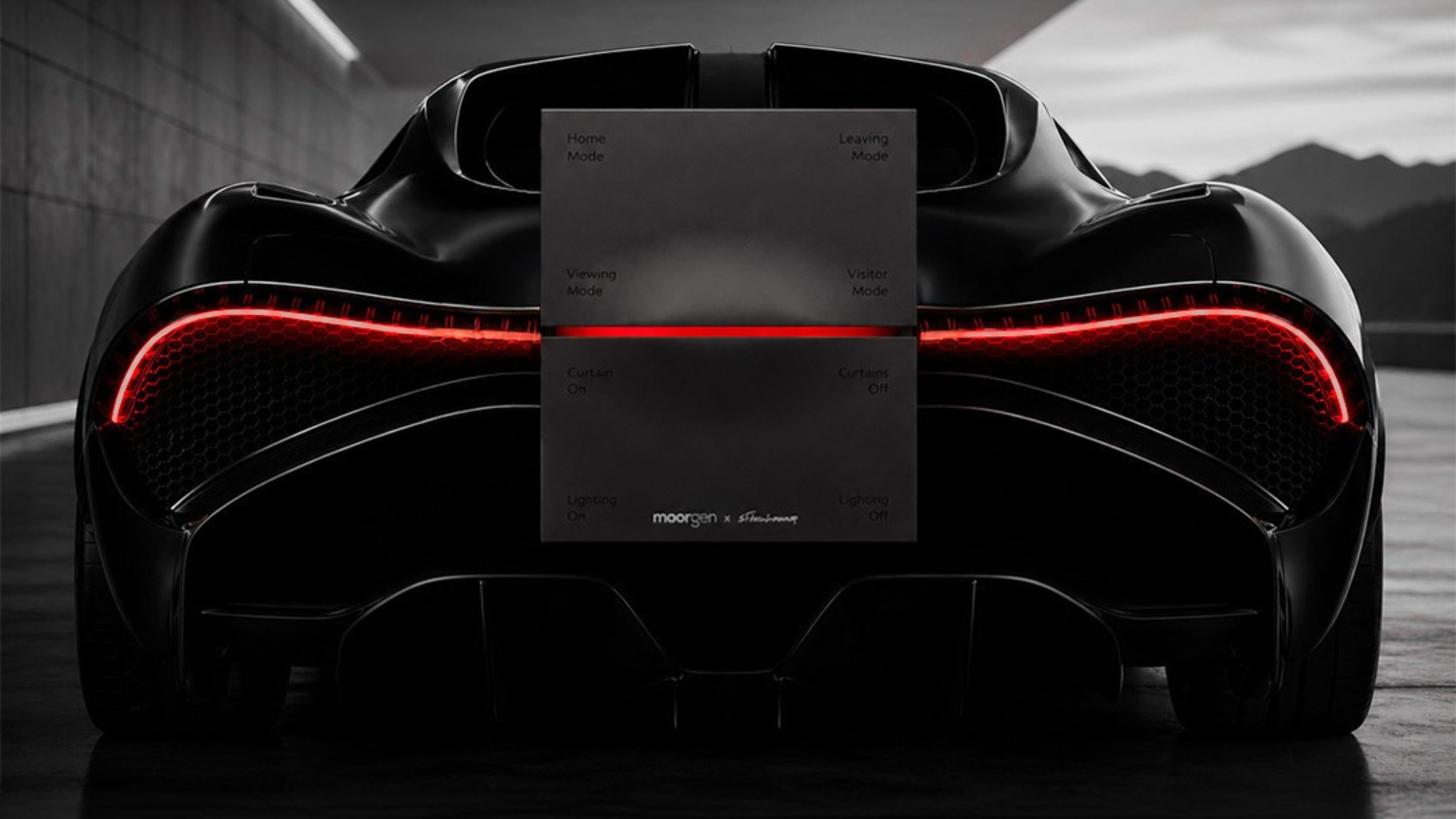
The Moorgen Supercar Series, designed in collaboration with internationally acclaimed designer and architect Steve Leung, explores this specific intersection of design-driven aesthetics and smart living. Instead of focusing on it as a solely practical control device, the series reinvents the panel as an architectural piece influenced by the emotional and visual aesthetics of high-performance automotive design.
The collection is based on a simple query:What if a digital panel could trigger the same sense of power and emotional response as a car?
The impact of supercars on the design of products is usually reduced to surface-level design references, sleek lines, shiny finishes or aggressive shapes. However, the Supercar Series takes a more thoughtful approach. Instead of resembling the look of cars, Steve Leung translated the concepts of engineered performance into working with a wall-mounted control.
Aerodynamics, the dashboard’s tactility, the highlighted detailing, and precise finishing are incorporated into the design language of the panel. The horizontal light strip that runs across the panel is a reference to the iconic design of the modern tail lights for supercars, and the metal and glass surfaces are engineered to be comfortable, tactile and visually tranquil.
This focus on the proportions and interactions reflects an overall architectural philosophy. In the luxury interiors, technology shouldn’t be a threat to space. It should be part of it.
One of the most distinctive features in this Moorgen Supercar Series is the illuminated guidelight that is integrated in the panel’s surface. Inspired by the taillights of cars, the soft glow helps users find the panel in dim surroundings without affecting the mood of the room.
This is a crucial difference. In many smart home devices, lighting is utilized as an accent on the visual, the use of light in a way to guide interactions and maintain a calm surrounding softly. The effect is less akin to operating technology but more like interacting with a tactile surface.
Modern luxury is increasingly based on sensory experience, not apparent complexity. Steve Leung’s design philosophy illustrates this trend by way of the panel’s sensory feedback mechanism.
The haptic feedback that is integrated into the panel produces a soft vibration upon each contact, quietly confirming the command was received. While it’s technically not noticeable, the interaction alters how the panel feels during everyday usage. The immediate response is physical and reassuring, like the engineered tactile that is found in high-performance car controls.
The panel is therefore more than a simple interface. It is a piece of art to be experienced via movements, motion and material accuracy.
The colour and finish choices of the collection were considered with a sensitivity to architecture. Instead of offering a variety of decorative options, each finish was designed to complement a particular interior style and colour palette.
Options like Monaco Gold, Mica Black, Belgium Silver, and Snowflake Silver allow the panel to blend seamlessly into contemporary, elegant spaces ranging from welcoming interiors that are inspired by warm hospitality to minimalist modern homes.
This flexibility is crucial as intelligent systems of today are expected to be in sync with the architecture, not dominating it.
The collection also provides a variety of configuration options, such as:
This modular design approach lets homeowners and designers personalise the interface to meet both functional requirements and spatial needs, similar to the configuration of elements in the body of a performance vehicle.
Its significance in the Moorgen Supercar Series lies not just in its design, however, but also in the significance it signifies in the development of living intelligently.
The past was when home automation products emphasised technical capabilities over the emotional value of design. Steve Leung’s partnership with Moorgen is a new direction: intelligent living systems are designed using the same design guidelines applied to furniture of the highest quality, automotive craftsmanship, and architectural details.
This ethos is in line with Moorgen’s position in the category of luxury smart living. The company does not see technology as a supplement to the house, but rather as an element of the architectural space, the home itself.
The panel is not trying to be Home is the central point of the space. It is a quiet way to integrate into the living experience by interacting with the use of light, touch and an intuitive interface.
As luxurious residential spaces keep changing, expectations about technology are also changing. The people who live there no longer need visual systems that disrupt the internal design language of the space. They seek environments that are thoughtful, responsive and emotionally linked to their lives.
The Moorgen Supercar Series reflects this change very clearly. The precision of automotive engineering inspires the collection, which is then interpreted by Steve Leung’s architectural theory. The collection turns the wall into something much more sophisticated than a simple switch or interface.
It is an element of the room itself, where the speed, luxury and intelligence are incorporated into a peaceful architectural experience.
Explore the Supercar Series at
www.moorgen.de
YOUR TRUSTED PARTNER
IN SMART HOME AUTOMATION